
Human conduct is shaped through the convergence of both endogenous and exogenous determinants. Following birth, our behavioural predispositions are subject to the impact of environmental circumstances, as we manifest not merely as a reflexive expression of our genetic constitution. Aspects such as the place where we live, the environmental conditions before and during pregnancy, or the abundance and variety of nutrients are responsible for genetic changes in utero that influence development and consequently living conditions and opportunities. It is empirically validated that inherent dissimilarities exist among all individuals, including those who undergo development within the same intrauterine environment. Consequently, how we can observe in twins, the same stimuli can elicit disparate adaptive responses. With this assertion, we aim to emphasize that not all individuals are inherently predisposed to achieve elite athlete status at birth. Although some possess the ideal characteristics to be brilliant in other fields, even holding an initial theoretical advantage, will never have the chance to explore that unique potential, because of their development opportunities. For all these reasons, especially due to its unpredictability and non-linearity, the identification, selection, and development of sports talents is a topic so fascinating that it arouses the curiosity of many people in the sports field.
Most youth subjects adopt a sedentary behaviour and do not meet current physical activity guidelines, resulting in consequences to health and wellbeing. Considering that the youth population of today will be the policy makers of the near future, the 2030 Sustainable Development Goals including a prosperous, healthy, and sustainable world may be less difficult to achieve. That said, the investments in adolescent health and wellbeing, particularly increasing physical activity, should have high priority in national and international policies to overcome this scenario and achieve many of 2030 Sustainable Development Goals. A youth-friendly physical activity initiative or intervention have increased probabilities to be successful. To make physical activity appealing to young people (i.e., youth-friendly) is necessary to consider the physical environment, social environment, and personal experience. Within the physical and social environments, the sports clubs and coaches were identified as key elements that facilitate the involvement of young people in physical activity.
Practitioners in sport organizations can play an important role in the promotion of physical activity, but its qualification can sustain the competence to nurture the rounded development and safety of all persons and engage people to meet the physical activity guidelines. The investment in continued education, improvement of competences and a lifelong learning approach for practitioners as provided by FEMCoach can increase the “quality in the work, activities and practices of organizations and institutions involved” (aim of Cooperation Partnerships), but also become practitioners more likely to sustain the accomplishment of the objectives of international recommendations and UE policies, particularly for youth population. A 10-month coach education program, such as FEMCoach designed and implemented resulting from the cooperation between sport organizations and universities, and including both online, on-site activities and intervention, can provide insightful and continuous learning opportunities for female youth sport coaches, reducing the gap between research and practice.
- Teacher: Vanessa Dias
- Teacher: Maitane Goñi Villoria
- Teacher: Nikolaos Politopoulos
- Teacher: Vanessa Dias
- Teacher: Maitane Goñi Villoria
- Teacher: Nikolaos Politopoulos
Physical activity and sport are among the most powerful tools available for promoting health throughout life. Their benefits extend across all major dimensions of the human being, including biological and physiological, psychological, emotional and social aspects, while also addressing the individual as a whole. However, achieving these benefits depends on several factors, with the proper practice of physical activity and sport being the most important.
In this sense, there are important issues to consider when reflecting on the stages of youth, especially regarding young female athletes. Coaches (women and men) must possess adequate knowledge of how young women’s bodies function during physical activity and sport to ensure a healthy practice and facilitate numerous benefits for these athletes. This implies understanding their unique particularities, how young females’ bodies respond to exercise, and also considering other factors that may intervene. Such insights can help coaches to create healthy scenarios designing accurate training sessions, working to prevent athlete’s injuries and providing a proper context for their personal growth.
In this period of young females’ lives, there are many relevant issues in their personal development (e.g., personal identity, healthy self-esteem) where physical activity and sport can have a positive impact. Therefore, it is crucial to help young females to acquire and create healthy habits in their daily life.
Finally, the positive impact of physical activity and sport on young females can be significantly favorable and beneficial. What is crucial and necessary, is to use physical activity properly. And that is the responsibility of all of us: coaches, trainers, managers, families… Let’s do it.
- Teacher: Vanessa Dias
- Teacher: Maitane Goñi Villoria
- Teacher: Nikolaos Politopoulos

The space offers a dedicated hub for webinars centered on femcoach—an approach to empowering women through personalized coaching, mindset development, and leadership growth. It brings together live and recorded sessions led by experienced coaches who focus on confidence building, career advancement, emotional resilience, and holistic well-being. Participants can learn practical tools, explore real-world case studies, and connect with a supportive community committed to personal and professional transformation. This space serves as an accessible learning environment where women can deepen their self-awareness, gain strategic guidance, and grow into their fullest potential.
- Teacher: Nikolaos Politopoulos
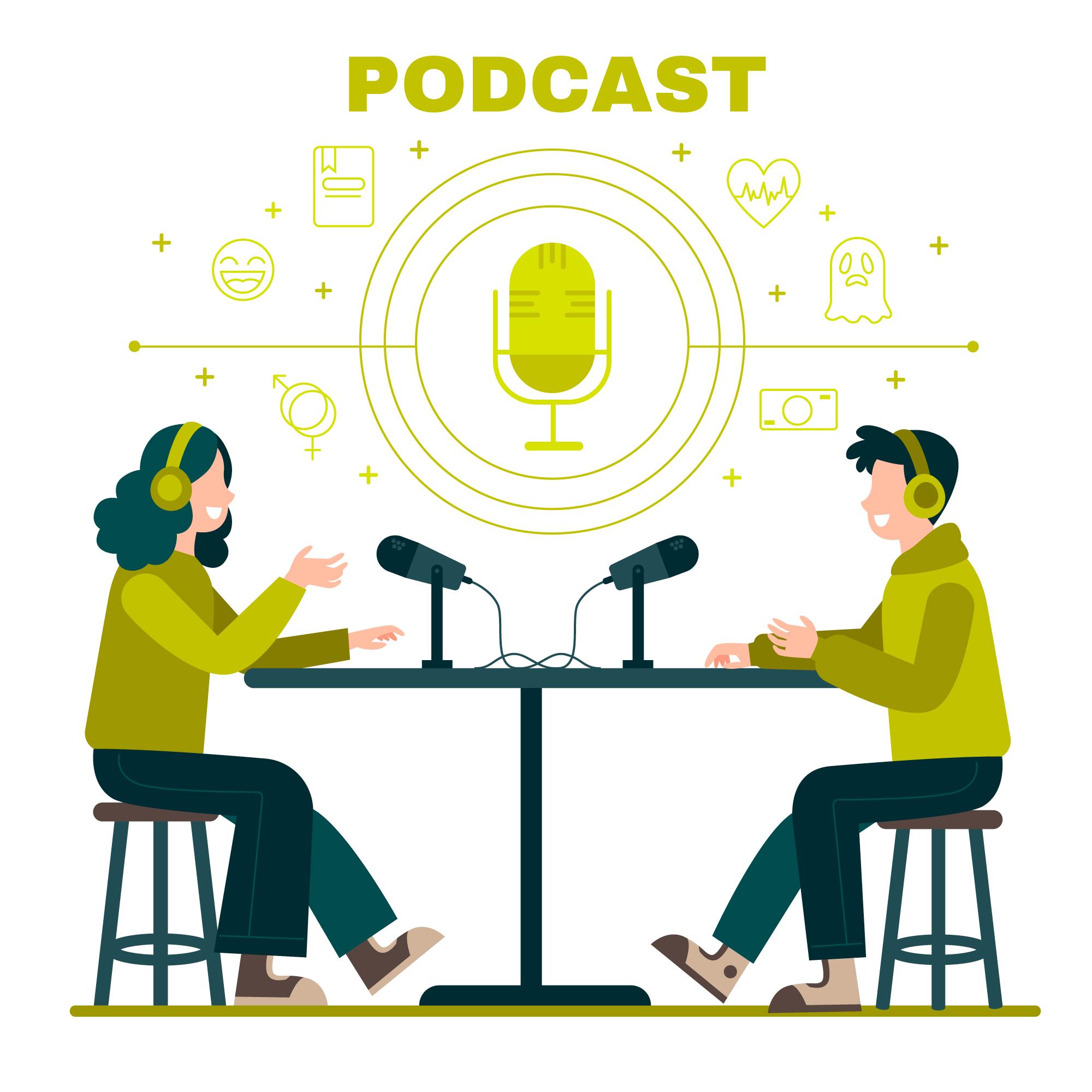
Dive into the stories, insights and expertise of female youth sport coaches from around the world. In each episode we explore key topics — gender equality in sport, youth coaching strategies, health-enhancing physical activity, community building — anchored in the missions of FEMCoach. Whether you’re a coach, mentor, stakeholder or simply passionate about sport and inclusion, these conversations aim to inspire, inform and empower.
- Teacher: Nikolaos Politopoulos

- Teacher: Stella Douka
- Teacher: Thomas Karagiorgos
- Teacher: Olympia Lilou
- Teacher: Nikolaos Politopoulos